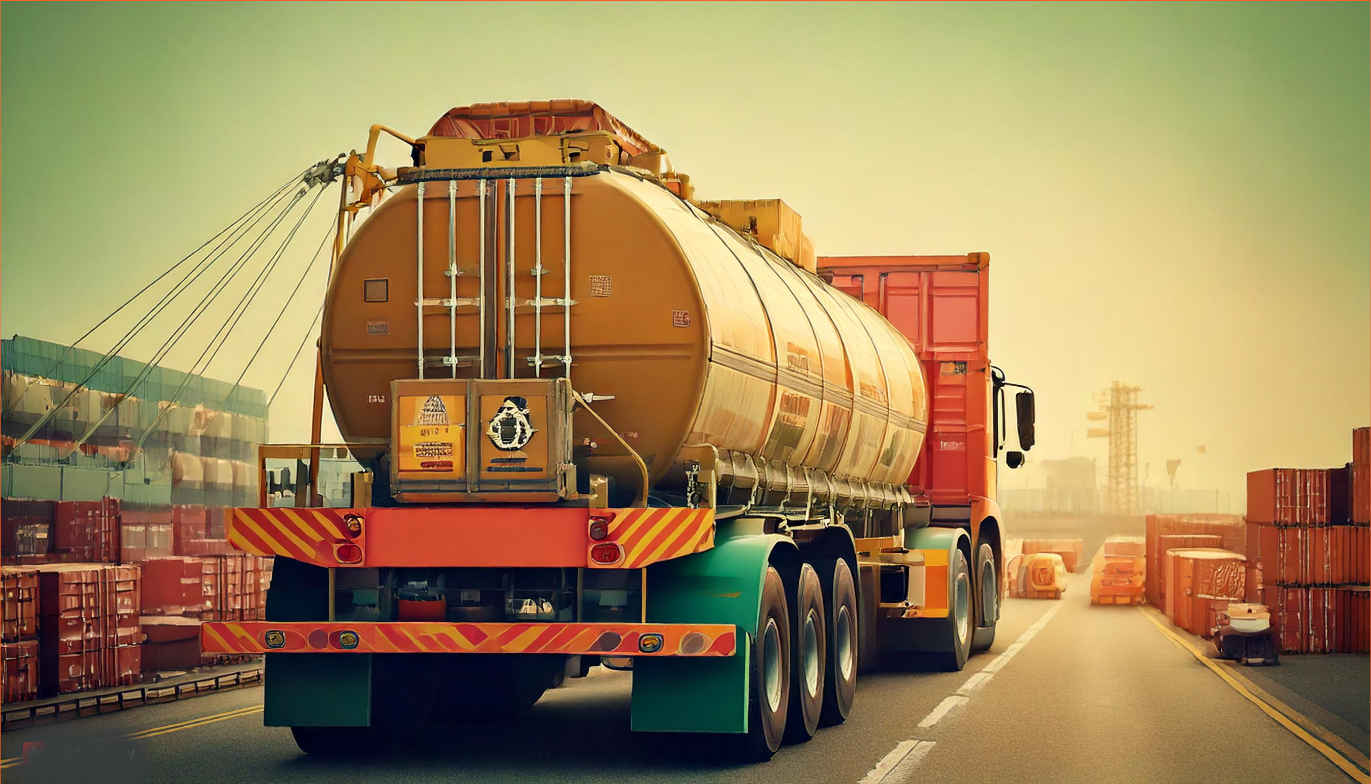
Hazardous material transportation is a carefully regulated process designed to protect public safety and the environment. Chemicals, explosives, flammable liquids, and gases used in various industries can pose serious risks if not handled correctly during transit. For this reason, specific procedures, safety measures, and legal regulations are applied to the transport of hazardous materials.
Classification of Hazardous Materials
Hazardous materials are categorized based on their potential risks, including fire, explosion, toxic exposure, or environmental harm. According to international transport regulations (IMDG, ADR, IATA), the main classes of hazardous materials include:
- Explosives: Substances with flammable and explosive properties.
- Flammable Liquids and Solids: Materials that pose a risk of ignition.
- Toxic and Poisonous Substances: Harmful materials to human health.
- Gases: Materials transported under pressure in liquid or gas form.
- Radioactive Materials: Substances that may emit radiation to the environment.
Each category requires specific safety protocols tailored to the risks involved during transport.
Safety and Legal Regulations
Companies and vehicles transporting hazardous materials must comply with both national and international regulations. In Turkey, hazardous material transport is regulated by the Ministry of Transport and Infrastructure under the “Regulation on the Transport of Dangerous Goods by Road.” International transporters must also adhere to ADR (Road), IMDG (Sea), and IATA (Air) regulations for compliance.
Safety Precautions During Transport
- Training and Certification: Drivers and relevant personnel handling hazardous materials must undergo specialized training and obtain a hazardous material transport certificate.
- Packaging and Labeling: Materials must be protected by leak-proof and durable packaging, with labels indicating the type and risk level of each material.
- Vehicle Safety: Vehicles carrying hazardous materials must be equipped with fire extinguishers, protective equipment, and emergency supplies.
- Emergency Planning: Preparedness plans for potential accidents and safety protocols must be established and known to all personnel.
Important Considerations in Hazardous Material Transport
- Route Planning: Hazardous materials should be transported on routes with low traffic density and away from residential areas.
- Speed Control: Adherence to speed limits is essential to ensure transport safety.
- Documentation: Accurate and complete transport documents are mandatory. In the event of an inspection, these documents must be presented to authorities.
Conclusion
Hazardous material transportation requires careful planning and strict compliance with safety measures. Proper training, equipment, and procedures help minimize risks. The safe transport of hazardous materials is essential for both businesses and communities. With the right practices and safety measures, hazardous materials can be transported securely and without incident to their destinations.